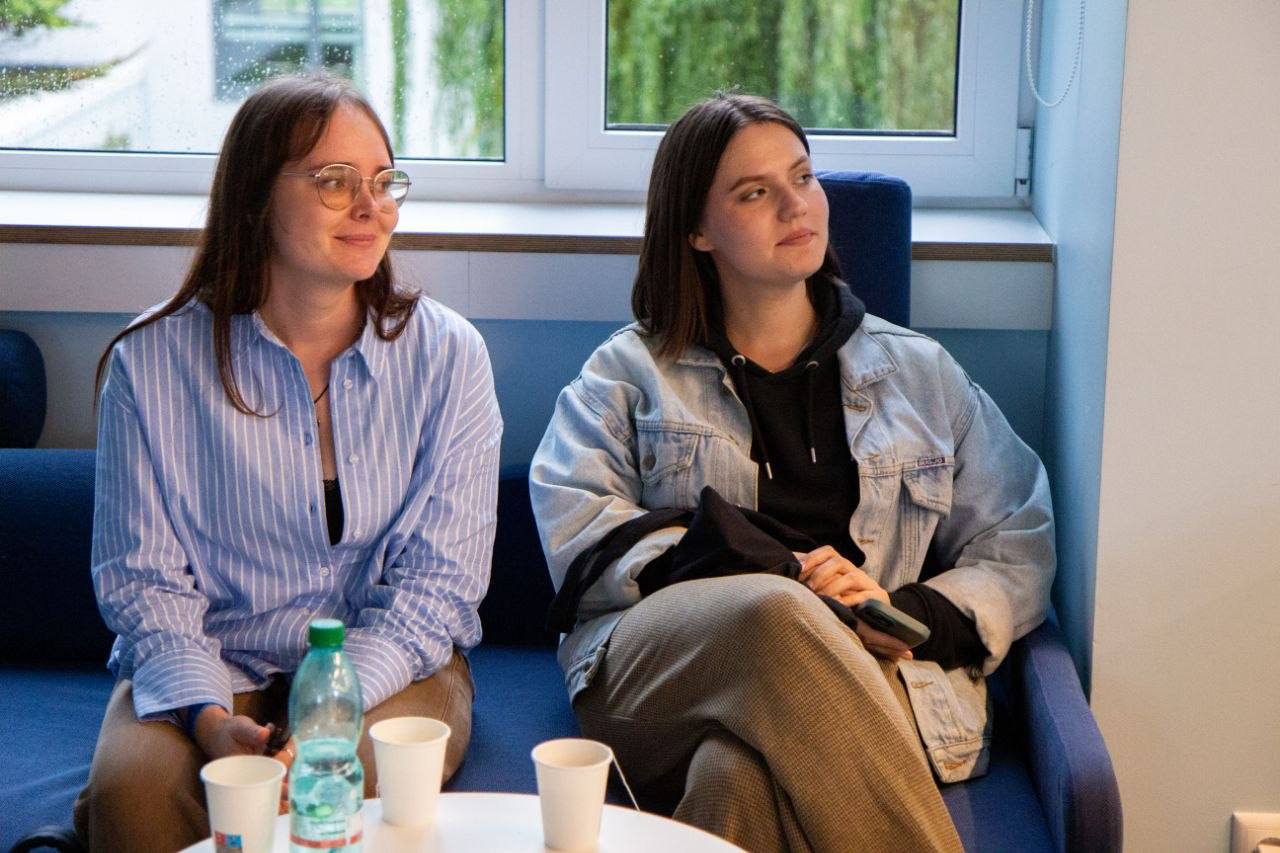
The story behind my craft
From visuals to complex logic
I started designing in 2020, mostly 3D, graphic design, branding and logos. The visuals were fun, but the questions that held my attention were elsewhere: how a system works, why people use it the way they do, where a flow breaks. That pulled me toward UX.
In 2021, I started working on my first digital product projects. One of them was a responsive website for an NFT project. Soon after, I joined an early-stage fintech startup as a volunteer and designed a banking app. That is where I learned to design complete user flows, from the first screen to the last.
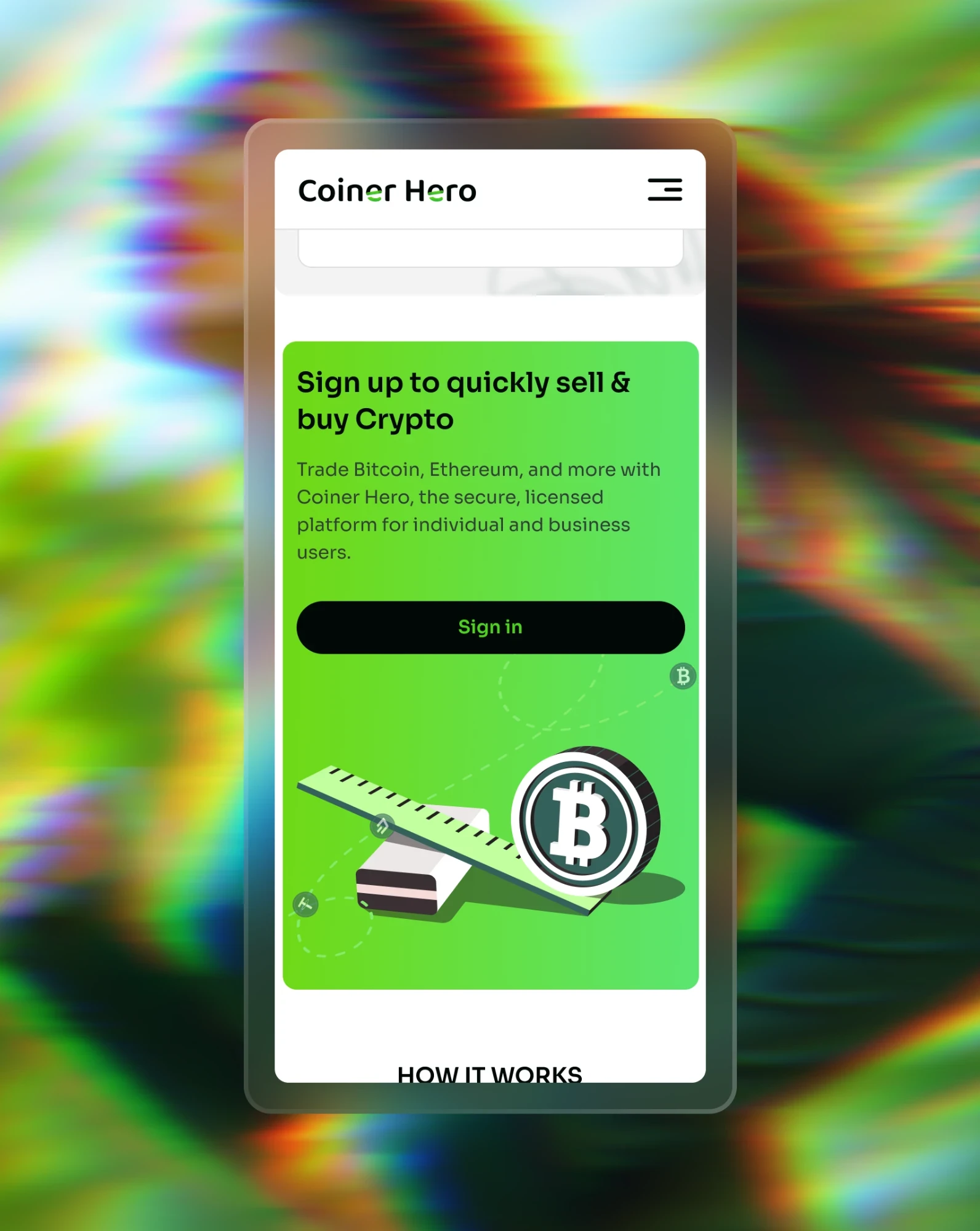
Freelance work kept landing in finance and e-commerce. That led me to Crypto Story Bank, where I worked on the mobile banking app, set up design standards and led a small team of two designers.
Fintech turned out to be the field I wanted to stay in. I like the problem: making complex money products feel simple and safe. To understand the industry better, I started a Bachelor's degree in Financial Management Information Systems at Riga Technical University, where I'm now in my final year.
How I think & collaborate
Design happens in a team
I work close to PMs, analysts and developers: giving and getting feedback, arguing about trade-offs, mentoring. The solution that survives a room full of questions is usually the right one.
Critique, then rebuild
If a test or a number shows an interface doesn't work, I take it apart and rebuild it. I'd rather lose an argument than ship a flow that confuses people.
Research that actually ships
Research shouldn't end up in a slide deck. Findings from interviews, analytics and usability tests go straight into the next version, where I can see whether they worked.
Always a student
The worst thing a specialist can think is “I already know everything”. Mentoring, tech events and new domains are how I keep learning.
Experience highlights
- Apr 2024 – PresentMagebitSenior UX/UI Designer, Full-time
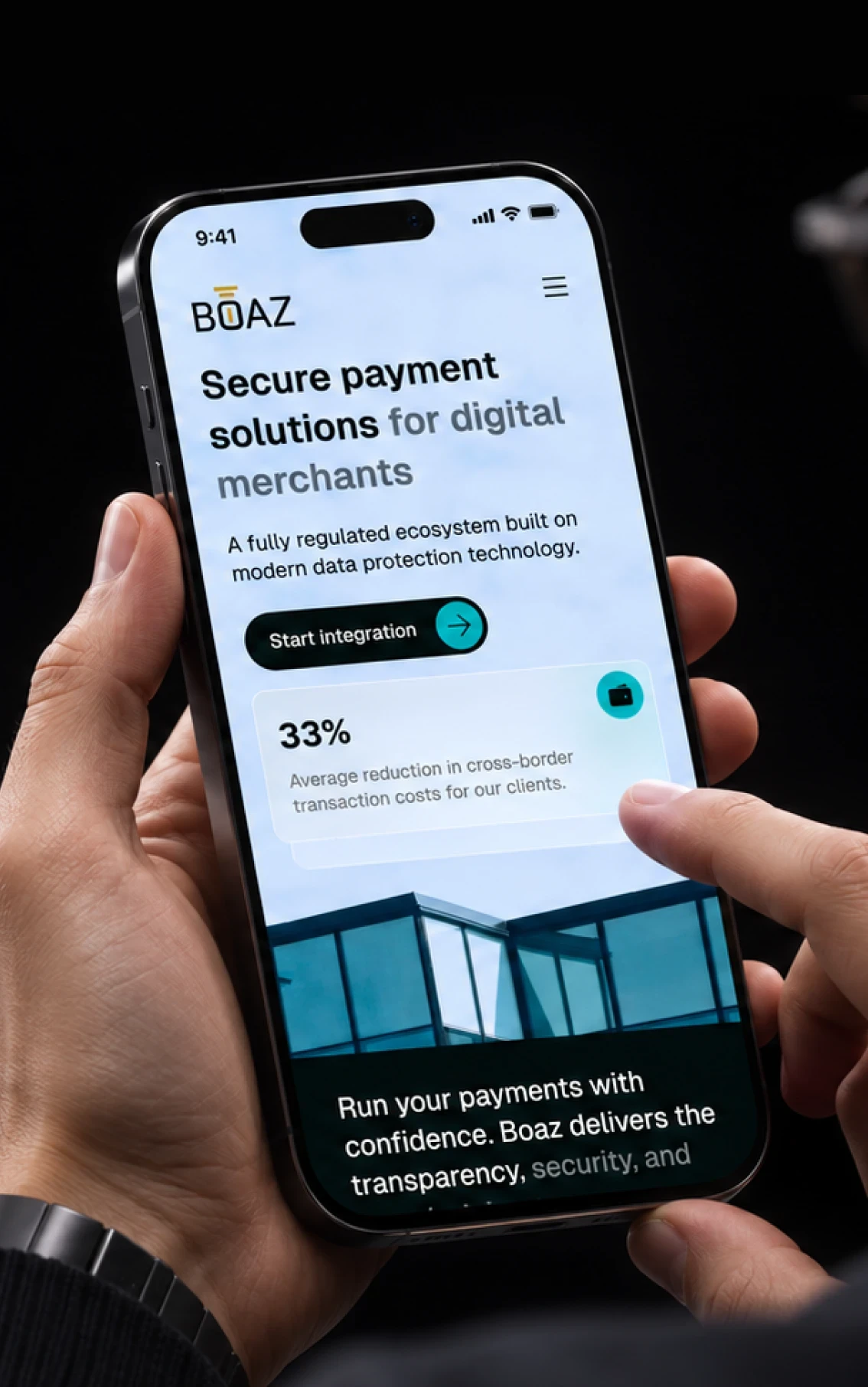
Working on complex B2B and B2C e-commerce platforms, designing everything from quick-buy and checkout flows to product bundles and quote requests.
I also worked on a learning management system, designing student dashboards, enrollment flows, GPA calculations, academic records, and teacher admin tools with complex rule builders and class scheduling. We tested the designs with students and improved the flows based on their feedback.
Another part of my work involved multi-brand management platforms, where I designed flexible interfaces for managing service plans, users, devices, and permissions. I also experiment with Claude to speed up prototyping, explore micro-interactions, and communicate ideas to developers and clients.
- Nov 2022 – Jan 2024CSBProduct Designer, Full-time
Worked on a crypto banking ecosystem from the ground up, starting with a flexible visual identity and design system that could grow across multiple products.
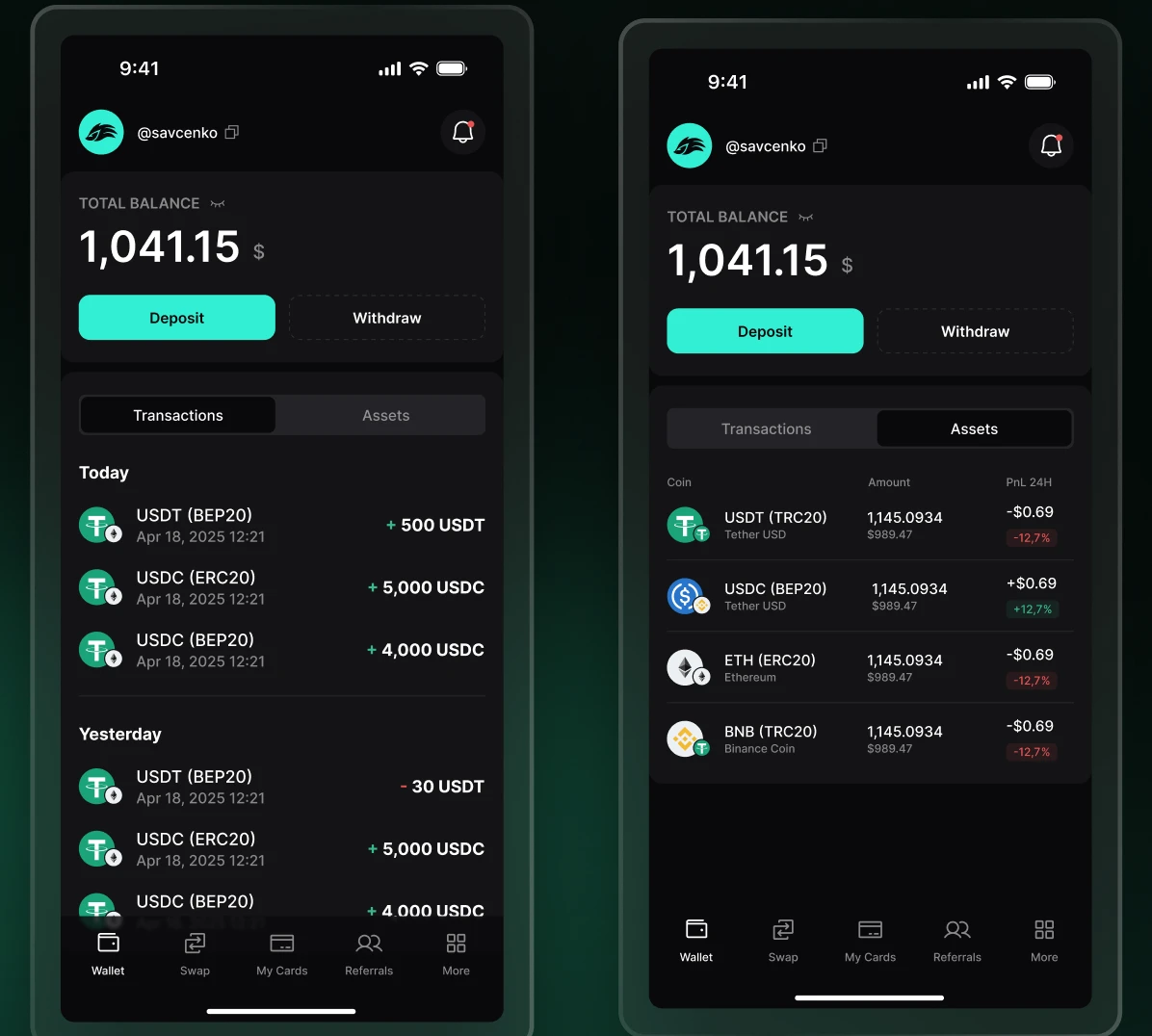
Designed a crypto super app covering staking, P2P trading, transfers, exchange, messaging, and referral features. I created interactive prototypes to work through complex user journeys and make the product easier to understand.
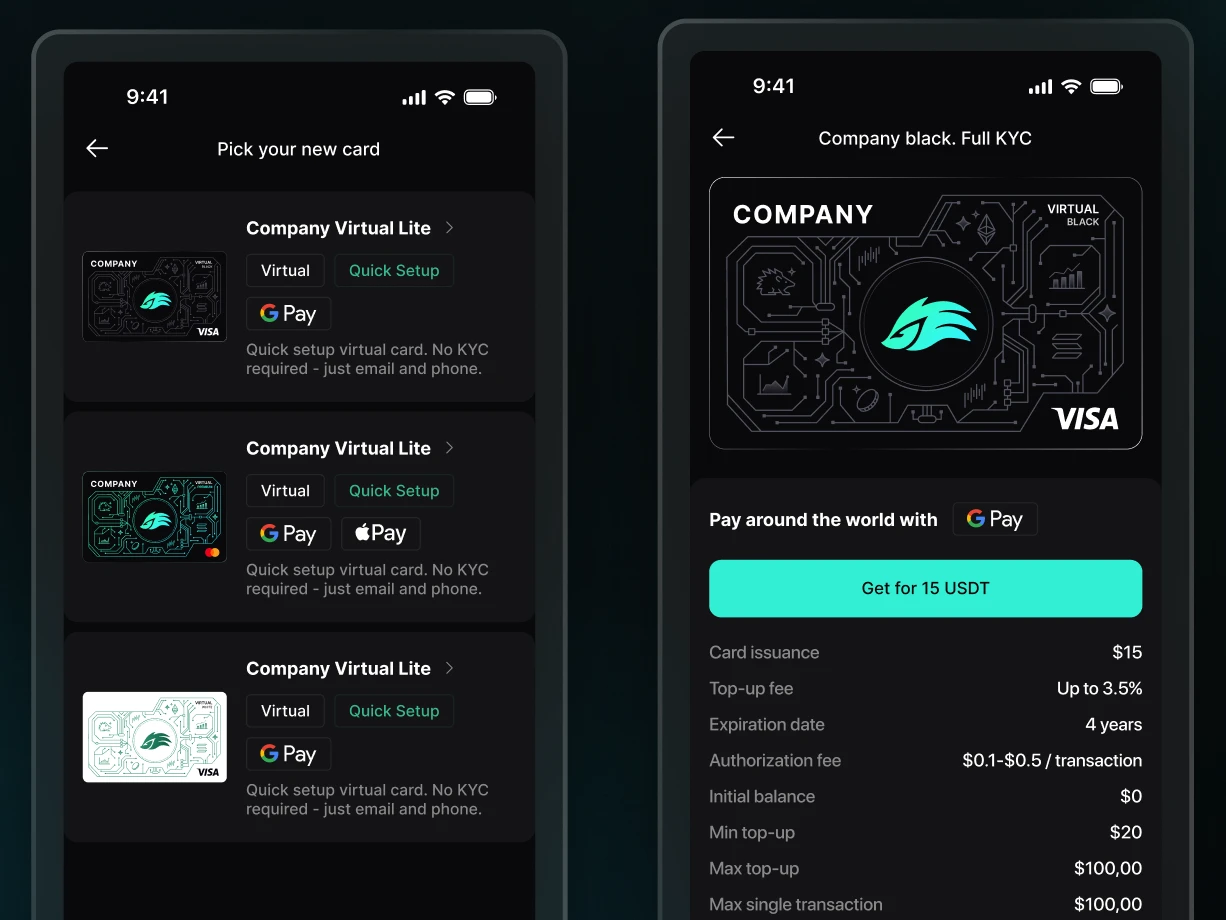
I also designed a B2B crypto payment terminal with QR payments, analytics, and role-based access, as well as a crypto card app with spending limits and card controls. Alongside product design, I led two designers, reviewed their work, and collaborated closely with the founder, PMs, and developers.
- Jul 2023 – Dec 2023InBalticUX/UI Designer, Project-based
Redesigned an e-commerce price-comparison platform that helps users find better deals across online stores. The goal was to make comparing products and navigating between retailers easier.
I created a new design system with reusable components and tokens to keep the experience consistent as the platform grew.
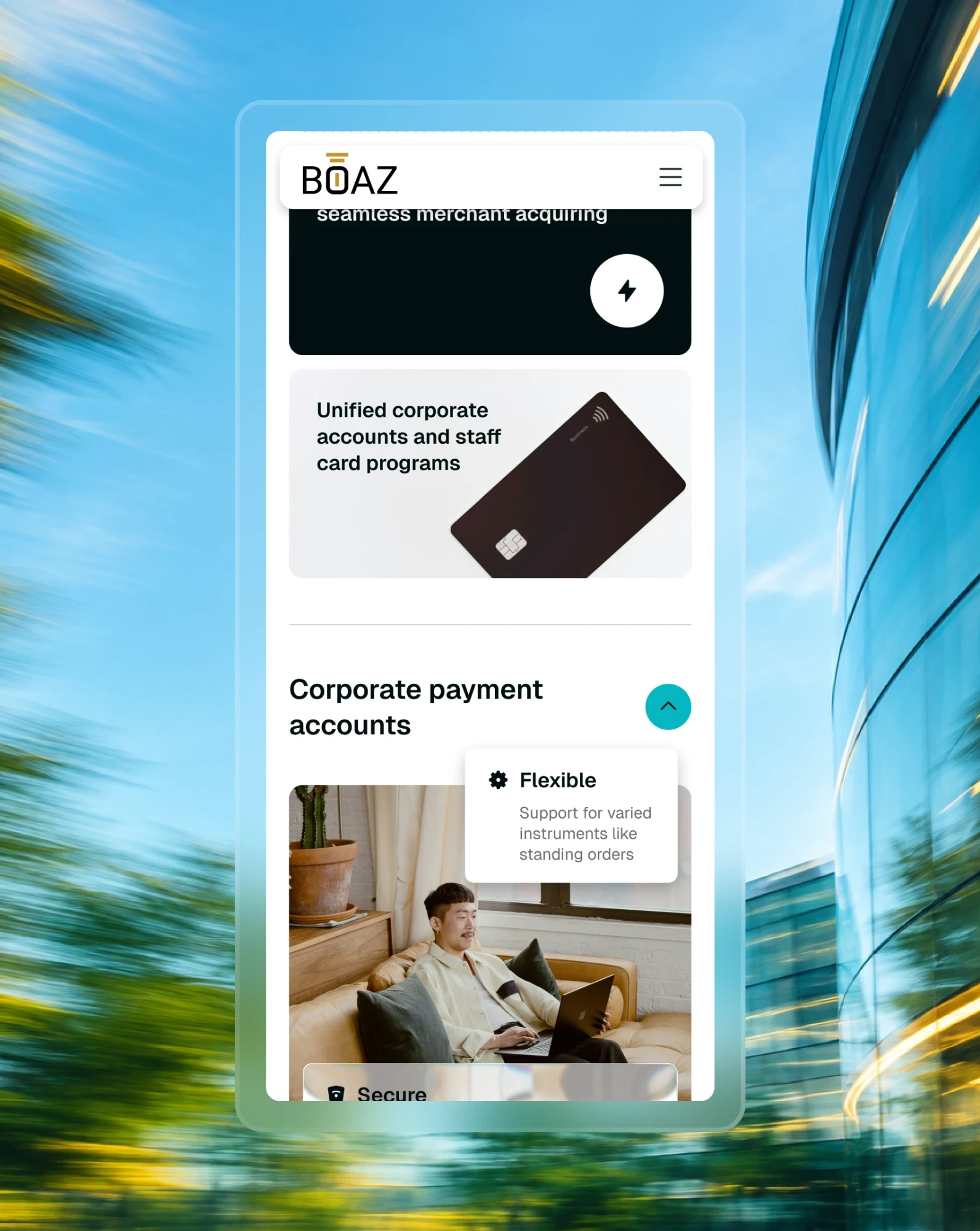
I also designed a merchant admin panel where businesses could add their stores, choose traffic and subscription plans, and track product demand through analytics.
- Feb 2020 – Dec 2023FreelanceUX/UI Designer, Part-time
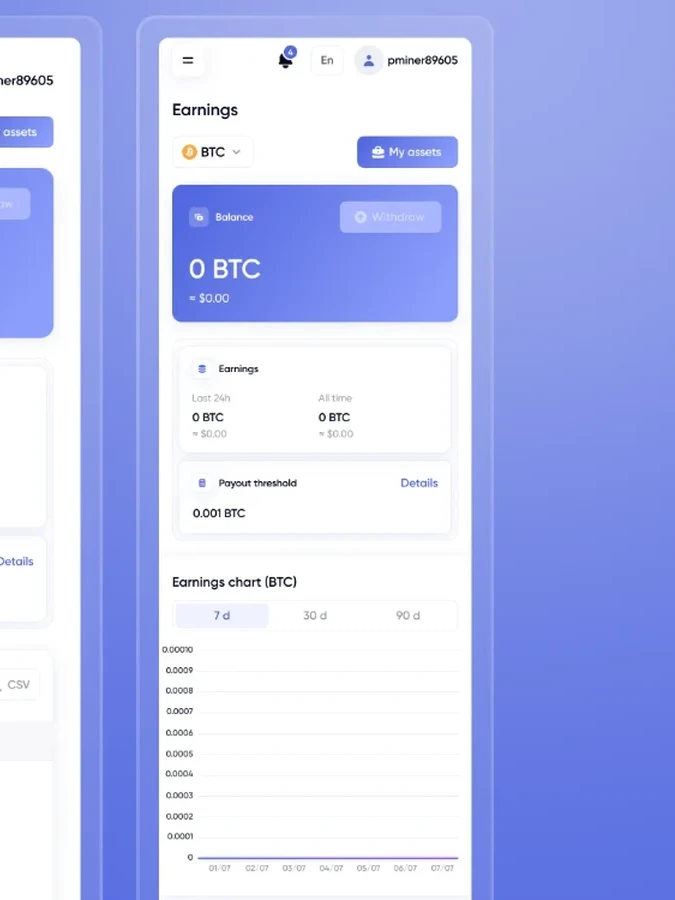
Worked on a mix of fintech products and websites, from crypto trading terminals and mining pools to projects in beauty, education, and other industries.
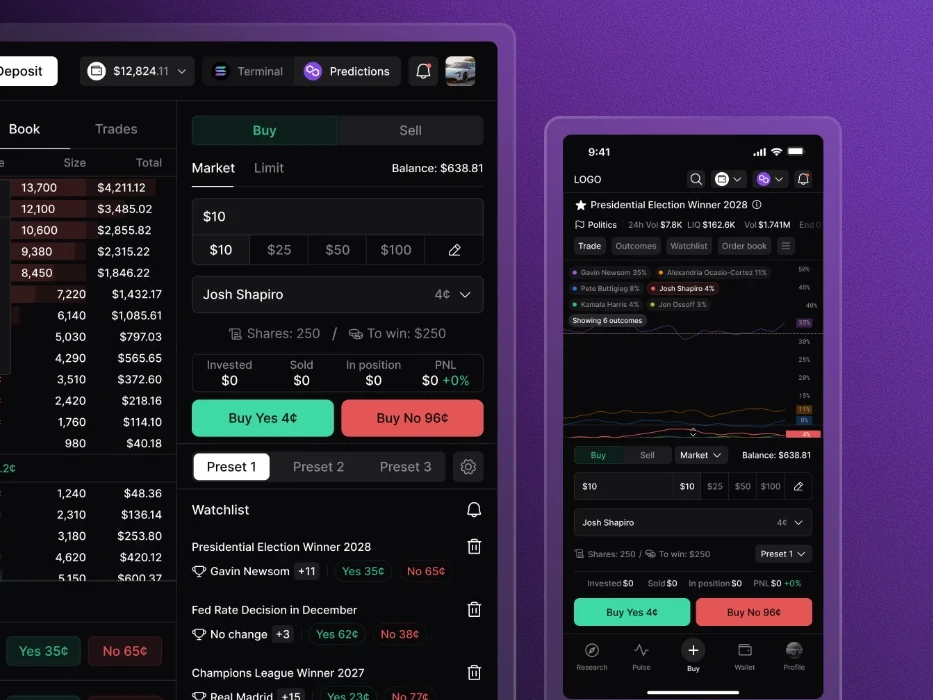
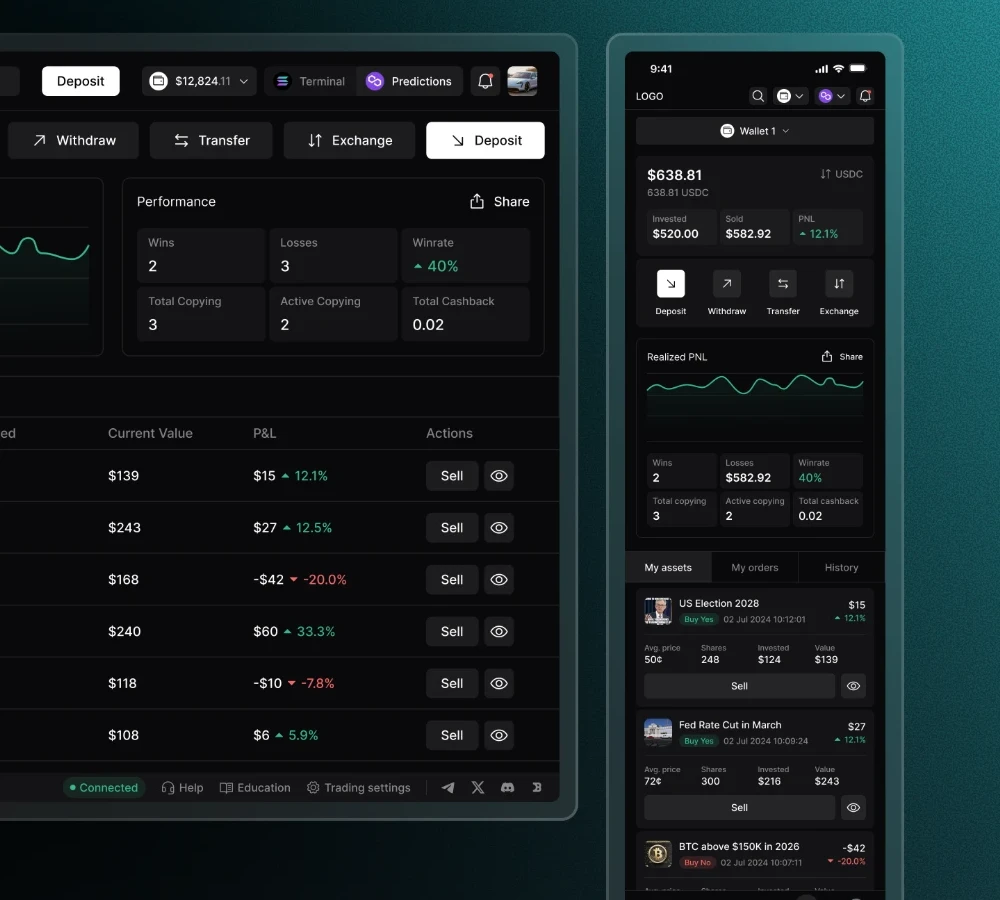
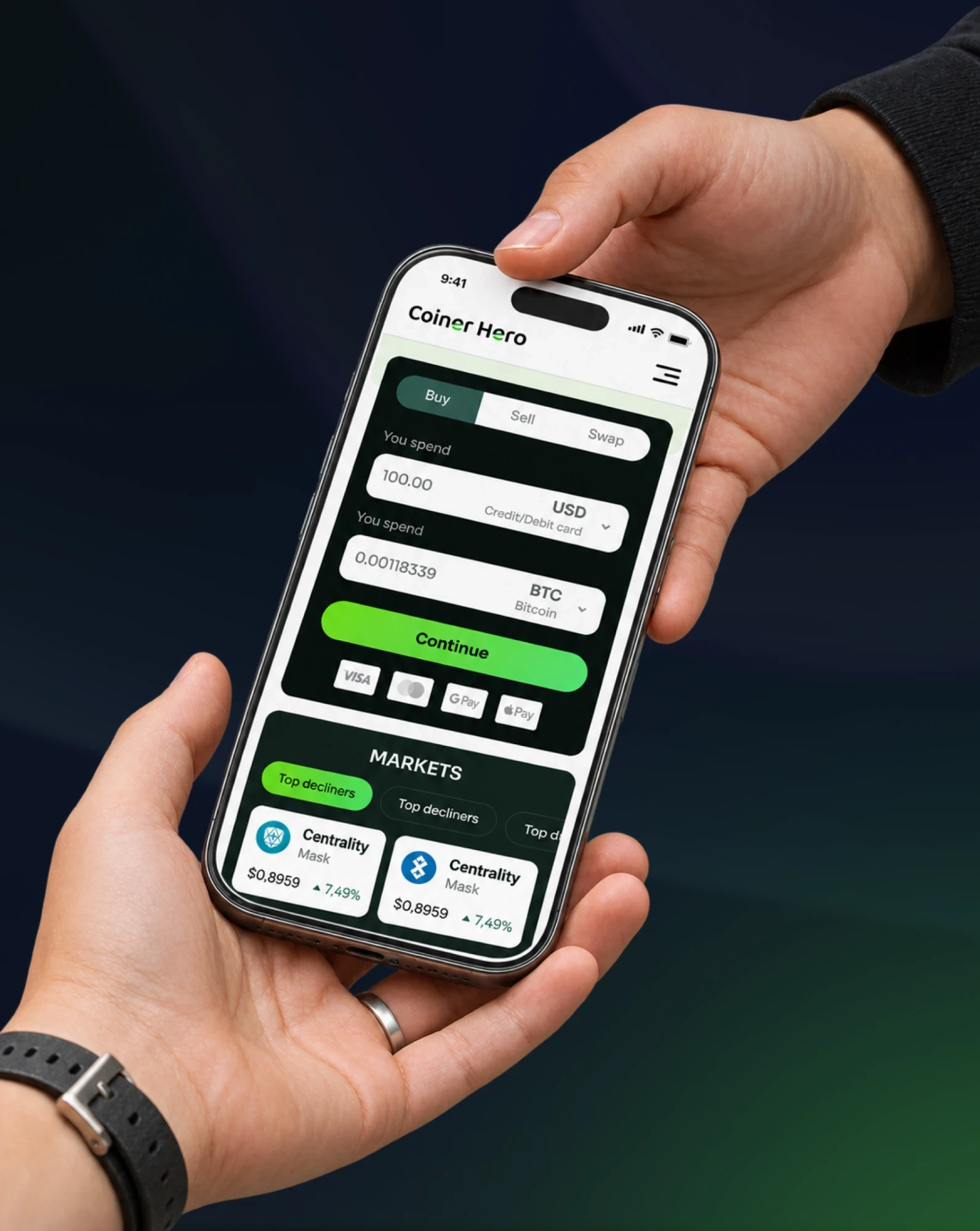
One of the more challenging projects was a meme coin trading terminal, where speed and usability were essential. I researched trading behavior, designed complex desktop and mobile flows, and refined them through multiple iterations.
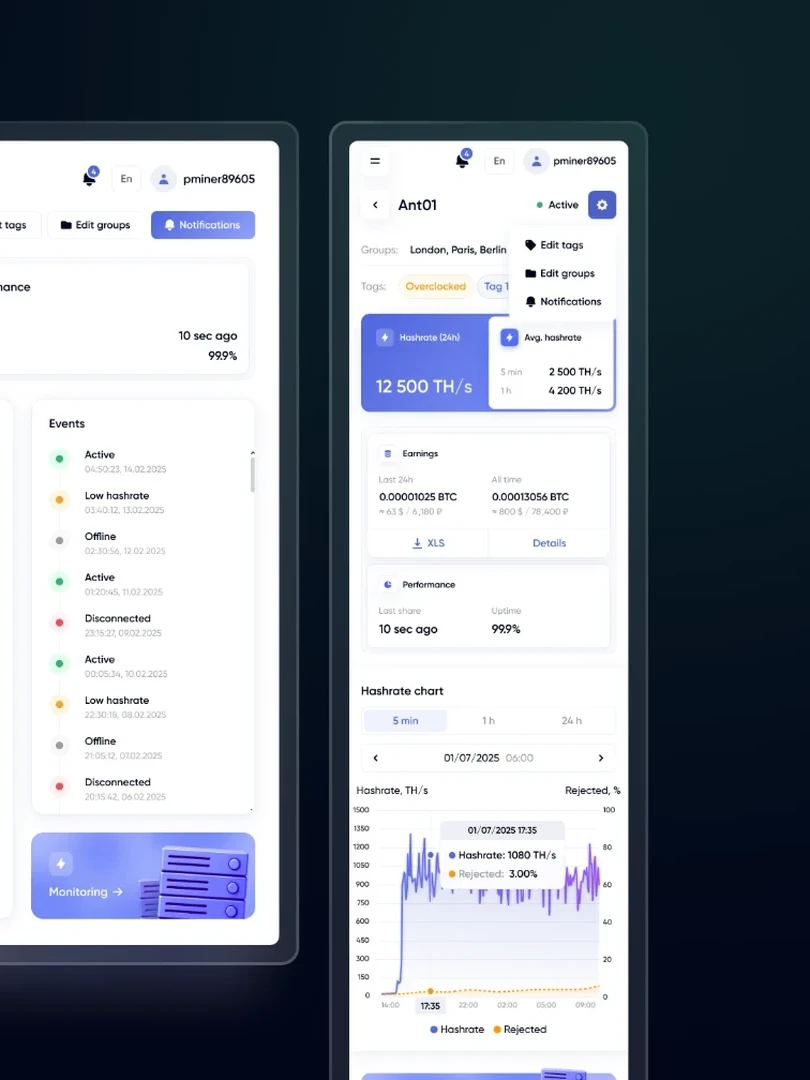
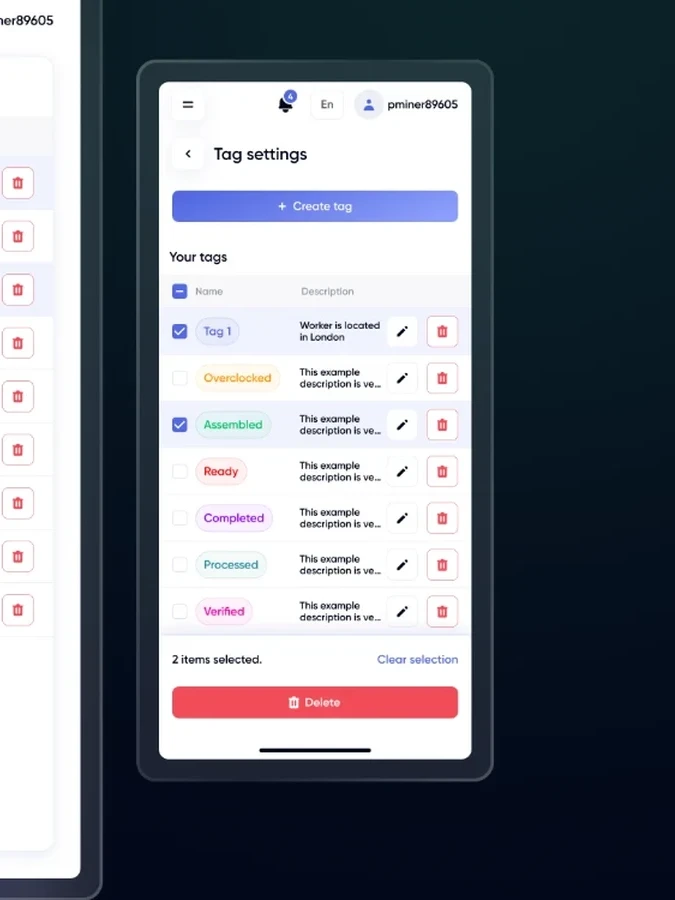
I also helped design a mining pool platform from scratch, working with another designer and an analyst to turn research into product flows. With a tight deadline, we adapted PrimeVue components instead of building everything from zero.
Alongside product work, I designed and built websites using Figma, Framer, Webflow, and Tilda.
Skills & core competencies
- Product & UX/UI
- Domain
- Tech
- Tools
Continuous growth & community
Evidence-based design
Baymard Certified UX Practitioner (Tier-3), earned with the support of Magebit: research-backed patterns for checkouts, navigation and mobile UX.
Leadership & growth
Graduate of the Līderu Līga programme, completed with the support of Magebit: communication, strategic thinking and team dynamics.
What AI is good for
I go to AI Connect by RTU and AI in Design at Startup House Riga to see which parts of product work AI actually speeds up, and which parts still need a person.
Giving back
Mentor at Women Go Tech: portfolio reviews, career transitions and UX challenges for aspiring designers.